How to Stop Procrastinating: The ADHD-Friendly Guide
Procrastination isn't laziness. Here is how to get moving in the next 10 minutes, and keep going after that.
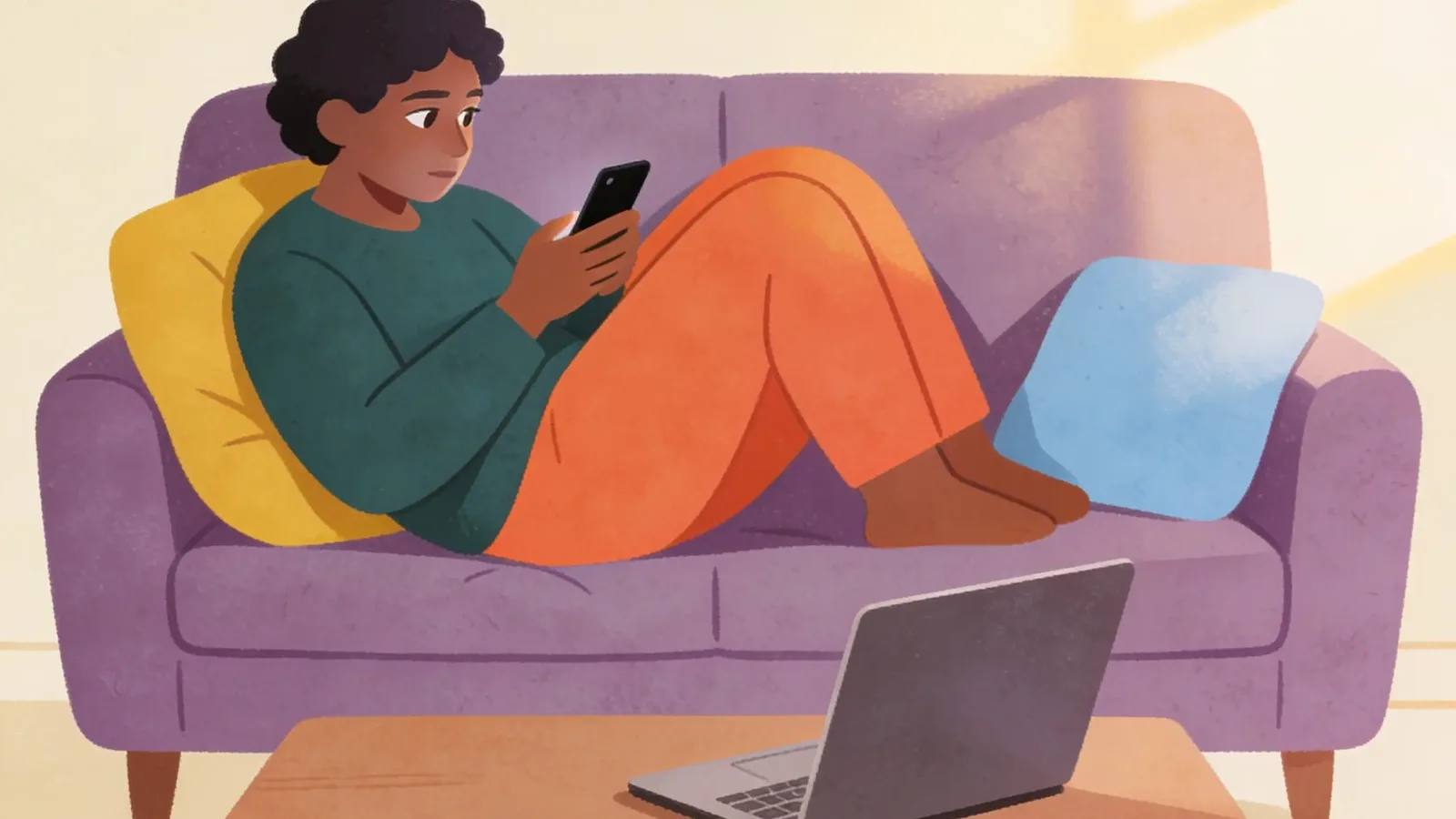
You're not lazy, and you already know what you should be doing. Learning how to stop procrastinating starts with figuring out what your brain is avoiding, then making that thing smaller, shorter and less lonely. This guide gives you fixes you can use in the next 10 minutes, a quick way to name your procrastination type, and the habits that keep you moving after today. Keep one task in mind, because the first fix takes less time than reading this page.
The 30-second version
- Procrastination is mostly about avoiding a bad feeling, not about laziness.
- Shrink the first step until it feels almost silly.
- Use timers, deadlines and other people as outside motivation.
Why Do I Procrastinate? It's Not Laziness
If you've ever typed "why do I procrastinate" into a search bar when you should have been doing something else, welcome. You're in good company, and there's a real answer.
Most of us were taught that procrastination is a time-management problem, or worse, a laziness problem. So we buy a new planner, make a stricter schedule, and feel terrible when it doesn't work. The schedule was never the issue. The issue is what happens in the few seconds when you look at a task and your stomach drops a little.
The task feels bad, so your brain picks relief
Procrastination is less about time and more about feelings. Researchers Fuschia Sirois and Tim Pychyl describe it as a form of short-term mood repair: we put off a task because it makes us feel bored, anxious or overwhelmed, and avoiding it makes us feel better right now. The bill just gets sent to our future self.
That's why scrolling, snacking or suddenly deep-cleaning the fridge feels so good when you're avoiding something. Each one is a quick hit of relief. It's also why guilt makes things worse: feeling bad about procrastinating adds one more bad feeling to the task, which makes it even more tempting to avoid.
The finish line is fuzzy
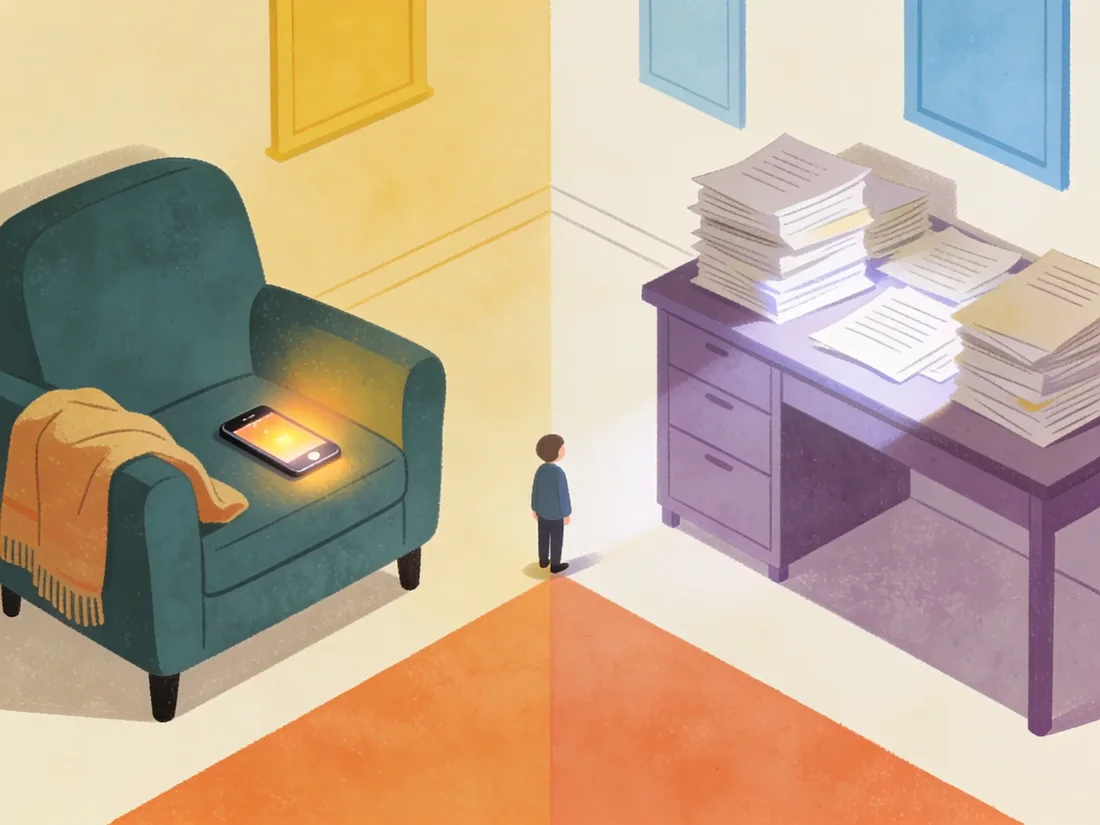
"Work on taxes" is a cloud. "Find last year's W-2" is a step. Vague tasks feel bigger and scarier than they are, so they're easy to avoid.
When a task sits on your list for weeks, look at how it's written. Odds are it's a project pretending to be a task. Rewrite it as a single physical action, the kind you could start in the next two minutes, and watch how much lighter it feels.
Inattention makes starting harder
For ADHD brains, starting can cost extra. A study by Niermann and Scheres looked at ADHD symptoms in college students and found that inattention, not hyperactivity or impulsivity, was the symptom linked to procrastination. So the real answer to "why do I procrastinate" might be that holding attention on a dull task is genuinely harder for you, which is a design problem, not a character problem.
How to Stop Procrastinating in the Next 10 Minutes
Don't fix your whole life today. Fix the next 10 minutes. Here's how to stop procrastinating on the one task in front of you.
Pick the smallest possible first step
Not "write the report." Open the document and type the title. If it still feels heavy, make it smaller. Our guide on how to start a task when your brain won't let you has more ways to shrink it.
A good test: could you do the first step while still feeling a little reluctant? If the answer is no, it's too big. "Clean the kitchen" fails. "Put the clean dishes away" passes. "Load three plates" definitely passes. There's no prize for picking an impressive first step.
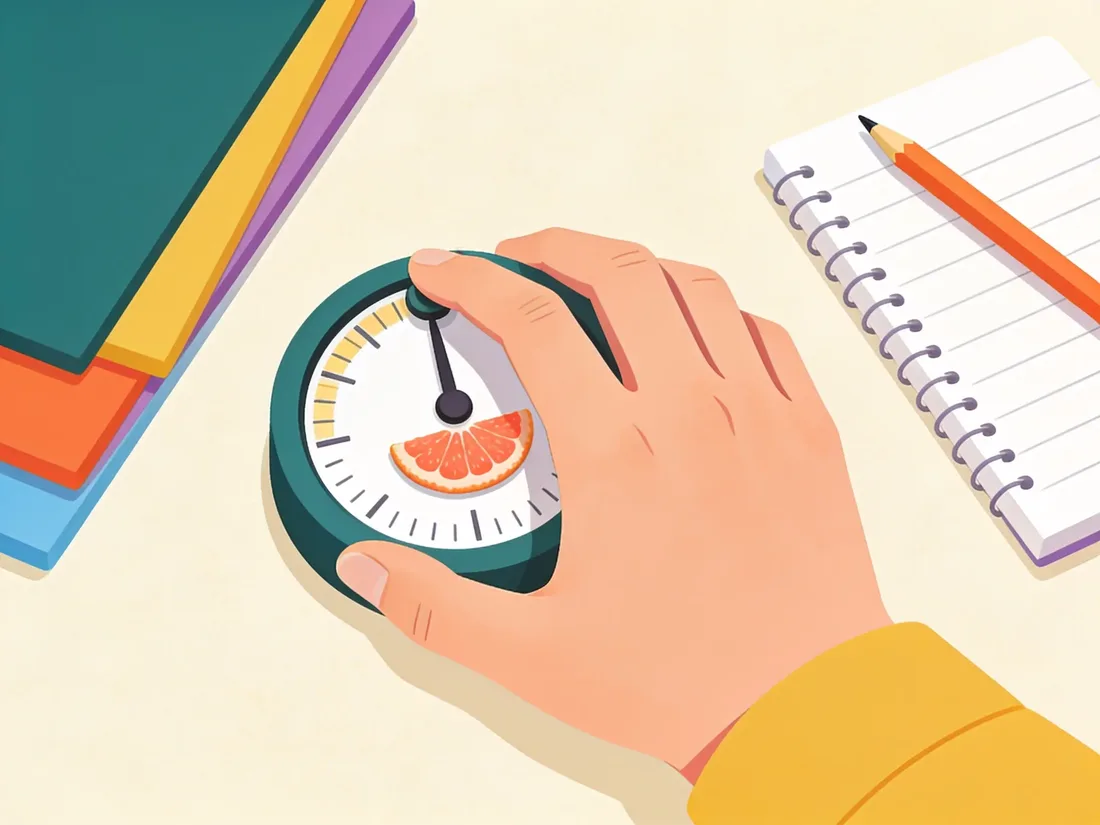
Set a timer for 10 minutes
Promise yourself you can stop when it rings. Most of the time, you won't want to. This is one of the simplest procrastination tips out there, and it works because it makes starting cheap. The Pomodoro technique for ADHD builds on the same idea.
Make the boring part less boring
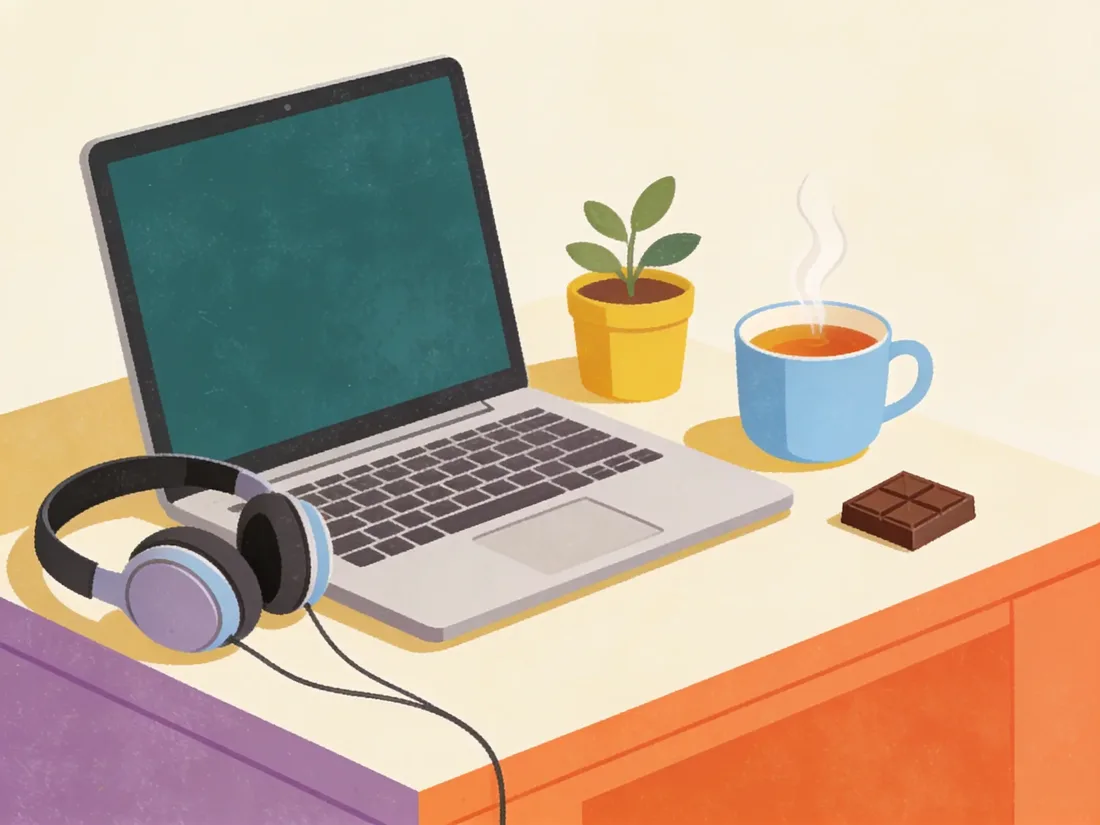
Pair the task with something you like: a playlist, a fancy drink, a podcast for low-focus work. A dopamine menu for boring tasks lists rewards by how much energy you have.
Some people save a favorite show or podcast only for chore time, so the task becomes the ticket to the fun thing. Others change locations: a library, a porch, a coffee shop. Novelty is a cheap source of interest, so use it on purpose.
What Kind of Procrastinator Are You?
Not all procrastination looks the same, so the fix isn't the same either. Find the row that sounds most like you, and you'll know how to stop procrastinating in a way that fits.
| Type | Sounds like | What's really going on | Try this first | Guide |
|---|---|---|---|---|
| The overwhelmed | "I don't even know where to start." | The task is too big to see a first step | Write the smallest possible next step | How to Start When You Can't Start |
| The perfectionist | "I'll do it when I can do it right." | Fear of a result that isn't good enough | Aim for a rough first draft on purpose | Done Is Better Than Perfect |
| The bored | "This is so tedious." | Low reward, low interest | Add a reward from your dopamine menu | Dopamine Menu |
| The fuzzy-goal | "I'll work on it later." | No clear finish line or next step | Define done in one sentence | How to Finish a Project |
| The deadline junkie | "I work better under pressure." | Only urgency creates enough focus | Create earlier, smaller deadlines with a friend | Body Doubling |
Procrastination Tips for ADHD Brains
These procrastination tips are built for brains that need outside structure, not more willpower.
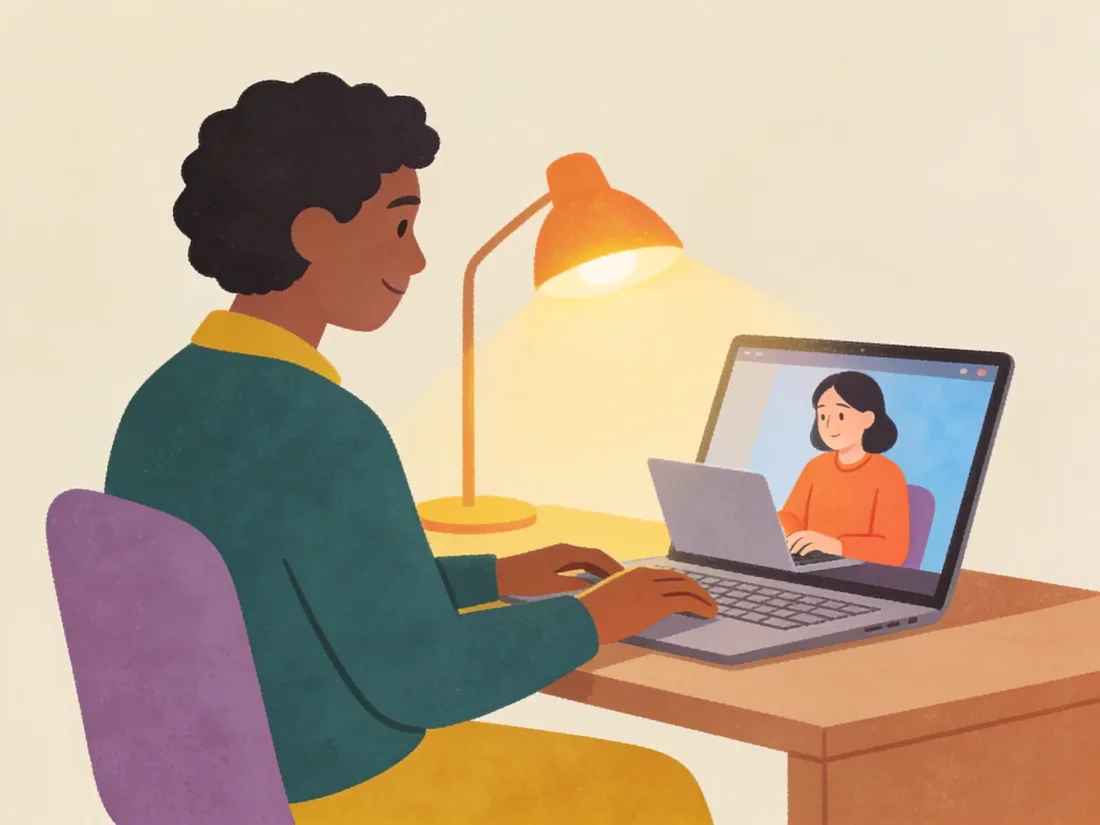
Work next to someone
A body double, in person or on video, makes it easier to start and harder to wander off. Here's how body doubling works.
Make tasks impossible to forget
If it's out of sight, it's out of mind. Put the task where you'll trip over it. See how to make your tasks visible.
Sticky notes on the bathroom mirror, a whiteboard by the front door or a phone lock screen that shows today's one task all count. The goal is to run into the reminder without needing to remember to look for it.
Borrow a deadline
Tell a friend you'll send them a photo of the finished thing by Friday. Many ADHD brains respond to urgency and other people's expectations far more than to their own good intentions. You're not cheating by using that. You're using the motivation you actually have.
Remove one step of friction
Leave the laptop open to the right file. Put the running shoes by the door. Keep the vacuum plugged in at the top of the stairs. Every step you remove between you and the task is one less place to stall, and one less decision your brain has to make.
Reward the start, not just the finish
Starting is the hardest part, so that's what deserves the treat. Give yourself the good coffee when you open the document, not when you finish the report. Over time, your brain starts to link getting going with something pleasant instead of something dreadful.
Batch the tiny stuff
Small tasks, like replying to one email or booking one appointment, pile up because each one feels too minor to schedule. Give them a single 20-minute "admin sprint" twice a week and knock out as many as you can. Watching the list shrink is its own reward.
Procrastination Tips That Usually Backfire
Some popular advice makes things worse for ADHD brains. If a tip makes you feel worse about yourself, it's the wrong tip for you, no matter how many people swear by it.
The giant to-do list
Writing down everything you need to do feels productive. Then you look at 47 items and freeze. Keep a master list somewhere out of sight, and put only three items on today's list.
Waiting until you feel motivated
Motivation often shows up after you start, not before. If you wait for the feeling, you can wait for weeks. Start small, and let the feeling catch up.
The all-day productivity marathon
"Saturday I'll finally get everything done" usually ends in burnout by noon and a guilt hangover by Sunday. Short, regular sessions beat heroic ones.
Shaming yourself into action
Calling yourself lazy might work once. Long term, it adds another bad feeling to the task, which is exactly what fuels procrastination in the first place.
A 7-Day Plan to Break the Procrastination Loop
Want to practice instead of just reading? Try one small experiment a day for a week. Each one takes 10 minutes or less.
- Day 1: Pick one task you've been avoiding and rewrite it as a single physical next step.
- Day 2: Do that step with a 10-minute timer. Stop when it rings.
- Day 3: Notice the feeling right before you avoid something. Name it: bored, anxious, overwhelmed or unsure.
- Day 4: Work for 20 minutes next to someone, in person or on video.
- Day 5: Remove one point of friction from a task you'll do tomorrow.
- Day 6: Build a small reward list and use one item while you work.
- Day 7: Look back. Which experiment helped most? Keep that one for next week.
You won't be cured of procrastination in seven days. Nobody is. But you'll know which tools work for your brain, and that's worth far more than another list of generic advice.
Procrastinating at Work vs. at Home
Procrastination shows up differently depending on where you are, so the fixes shift a little too.
At work
Work tasks often stall because the stakes feel high or the request was vague. Ask one clarifying question as your first step. It moves the task forward, it's quick, and it often reveals that the job is smaller than you feared. Block focus time on your calendar like a meeting, and close email while you work.
At home
Home tasks have no boss and no deadline, which is exactly why they sit for months. Borrow structure: pair chores with a show, invite a friend over for a body-doubling hour, or tie the task to something that already happens, like "while the coffee brews, I'll unload the dishwasher."
What to Do When You're Already Behind
Sometimes you read a guide like this after the deadline has already whooshed past. First, breathe. Being behind is a problem to solve, not a verdict on who you are.
- Tell someone early. A quick "this will be two days late" message is far easier than silence.
- Cut the scope. Ask what the smallest acceptable version looks like and do that first.
- Work in short bursts. A string of 25-minute sprints beats one panicked all-nighter.
Once the crisis passes, look back at where the task stalled. That's the spot to fix next time, using the table above.
Tools That Make Starting Easier
No app will do the work for you, but the right tool can take a decision or two off your plate. Pick one, use it for a week, and only add another if there's a clear gap.
A visual timer
A timer you can see makes time feel real, which helps if you lose track of it. Our guide to visual timers and time blindness compares desk timers and apps.
A planner you'll actually open
The best planner is the one you look at every day. Paper works for some brains, apps for others. Here's how to choose a planner that works for ADHD.
A free AI task breaker
When you can't see the first step, let a tool suggest one. Free AI tools can turn "clean the garage" into a list of tiny, doable actions. See how to use free AI tools to break down overwhelming tasks.
A virtual coworking session
If no friend is free to body double, online coworking sessions pair you with someone who's also trying to focus. It's the same idea as a study buddy, just on a screen.
When Procrastination Is a Sign to Get Support
Everyone procrastinates sometimes. But if it's affecting your work, relationships or health, and these strategies only help a little, it may be worth talking with a doctor or mental health professional. ADHD is often missed in childhood: the CDC reports that more than half of U.S. adults with a current ADHD diagnosis received it as adults. Getting support isn't giving up. It's adding better tools.
Signs it may be time to reach out include missing important deadlines again and again, trouble keeping up at work or school despite real effort, or feeling stuck, anxious or low most of the time. A professional can help you sort out what's going on and what kind of support fits you.

Common questions
How do I stop procrastinating when I have ADHD?
Use outside structure: tiny first steps, short timers, visible tasks, body doubling and deadlines shared with someone else. Willpower alone rarely works for ADHD brains.
Why do I procrastinate even on things I want to do?
Wanting the result doesn't make the steps feel good. If a step feels vague, boring or risky, your brain will look for relief, even on projects you care about.
What are the best procrastination tips for students?
Break assignments into 20-minute pieces, study with a friend, use a visible timer and set your own deadline a few days before the real one.
Is procrastination a sign of ADHD?
Not on its own. Everyone procrastinates. But persistent procrastination along with other attention problems can be worth discussing with a professional.
How do I stop procrastinating on small tasks?
Batch them. Set a 20-minute timer twice a week and clear as many small tasks as you can. Small tasks feel too minor to plan, so giving them a dedicated slot is what gets them done.
Can procrastination ever be helpful?
Sometimes a delay gives an idea time to settle, and that can be useful. The trouble starts when delay causes stress, missed deadlines or guilt. If it's costing you more than it's giving you, it's worth working on.
Your 10-Minute Start
Pick the task you had in mind at the top of this page. Write its smallest next step, set a 10-minute timer and start. You don't have to finish today. You just have to begin, and that's how to stop procrastinating for real: one short, kind start at a time.
Sources
- Niermann, H. C. M., & Scheres, A. (2014). The relation between procrastination and symptoms of attention-deficit hyperactivity disorder (ADHD) in undergraduate students. International Journal of Methods in Psychiatric Research, 23(2).
- Sirois, F., & Pychyl, T. (2013). Procrastination and the priority of short-term mood regulation: Consequences for future self. Social and Personality Psychology Compass, 7(2), 115-127.
- Staley, B. S., Robinson, L. R., Claussen, A. H., et al. (2024). Attention-deficit/hyperactivity disorder diagnosis, treatment, and telehealth use in adults. MMWR, 73(40).
This guide shares practical ideas, not medical advice. Linked research and articles belong to their authors; we link to them because they explain things well.