Why Do I Procrastinate? 6 Reasons That Aren't Laziness
Putting things off is rarely about being lazy. Here are six common, very human reasons it happens, and one small, kind fix for each.
The 30-second version
- If you keep asking why do I procrastinate, the honest answer is usually about feelings, not effort. Delay gives quick relief from a task that feels bad.
- Common reasons include a boring or unpleasant task, no clear first step, a reward that is far away, fear of doing it badly, and a brain that handles time and planning differently.
- Once you name your reason, the fix gets smaller: shrink the first step, add structure, bring the reward closer, lower the bar, or get some outside support.
You know the task matters, you have the time, and still you find yourself doing anything else. If you have ever typed why do I procrastinate into a search bar late at night, you are in good company, and you are not lazy. This guide walks through six common reasons people delay and a gentle fix for each, so you can stop blaming yourself and start with one small step. If you suspect ADHD is part of your story, our guide to ADHD procrastination goes deeper.
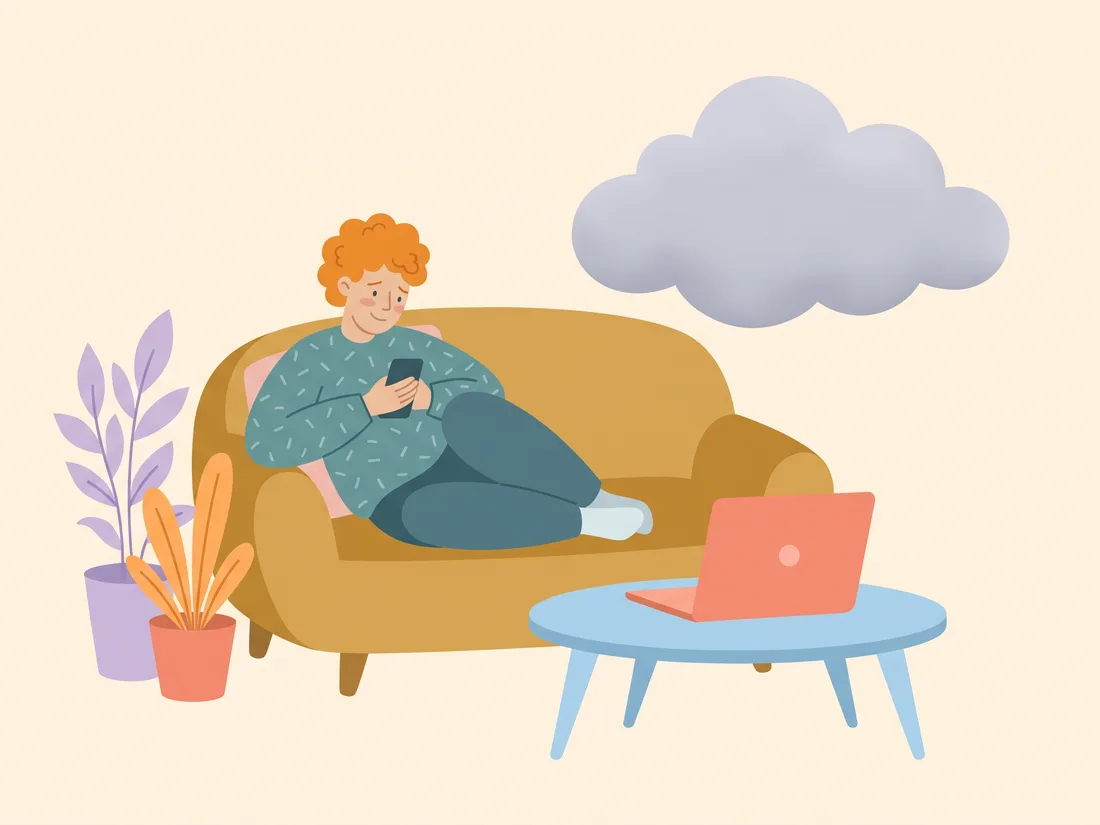
Why do I procrastinate? 6 reasons and a fix for each
Tick each step as you go. Your progress is saved on this device.

Find your reason at a glance
| The reason | What it can feel like | A small first fix |
|---|---|---|
| The task stirs up a bad feeling | Dread, worry or a heavy feeling when you think about it | Name the feeling and commit to just two minutes |
| It is boring or unpleasant | Your mind keeps drifting to anything more fun | Pair it with music, a timer race or a reward |
| No clear first step | Staring at it with no idea where to begin | Write one tiny physical action you can do in five minutes |
| The payoff is far away | It can always wait until tomorrow | Set a mini deadline today or share progress with a friend |
| Fear it will not be good enough | Waiting for the perfect moment or the perfect idea | Make a rough first version on purpose |
| Your brain handles time differently | Losing track of time or not knowing when to start | Use a visible timer, a check in buddy and a list you can see |
Videos worth a watch
Further reading
- Why we procrastinate and how to stop American Psychological Association
Researcher Fuschia Sirois on emotions, perfectionism and self compassion.
- The 5 Most Common Reasons We Procrastinate Psychology Today
Structure, unpleasant tasks, timing, anxiety and self confidence, explained simply.
- How to stop procrastinating Understood
How ADHD, anxiety, perfectionism and time blindness connect to procrastination, plus practical tips.
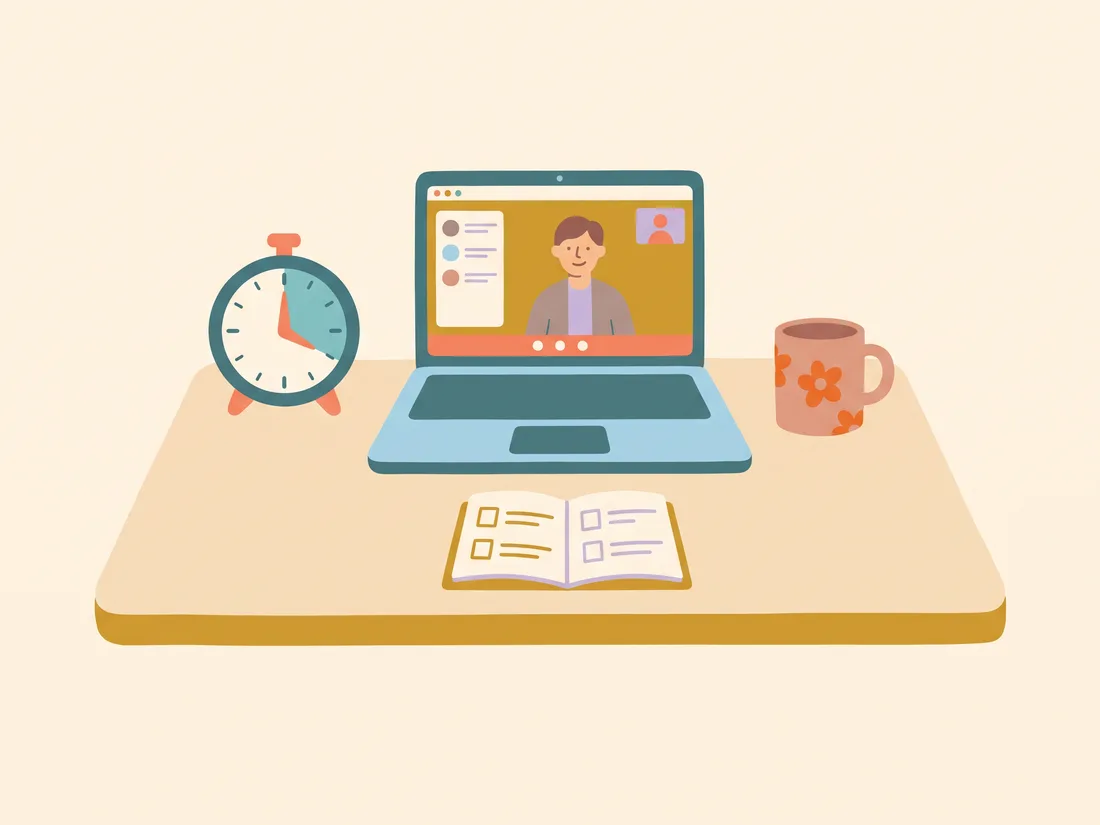
Tools that make starting easier
- Goblin Tools Magic ToDo
Type in a task that feels too big and it breaks it into smaller steps for you, which helps when there is no clear first step.
Visit site - Focusmate
Virtual coworking with a partner on video for 25, 50 or 75 minutes. Having someone there makes it easier to start. You can join for free.
Visit site - A visual timer
A timer you can see makes a short, low pressure start feel safe and shows time passing when you cannot feel it.
Find on Amazon
Common questions about procrastination
Am I just lazy?
Almost certainly not. Laziness means not caring, and most people who procrastinate care a lot and feel bad about it. Delay is usually a way of escaping an uncomfortable feeling for a while. Seeing it that way makes it easier to respond with a small step instead of shame.
Why do I procrastinate even on things I want to do?
Wanting the result does not make the first step feel good. A project you love can still feel big, unclear or scary, especially if you care about doing it well. Shrink the start until it feels easy, and let the first version be rough.
Is procrastination a sign of ADHD?
Everyone procrastinates sometimes, so it is not a sign of ADHD on its own. For people with ADHD, it can be more frequent and harder to shake because of differences in attention, planning and time sense. If you wonder whether ADHD is part of it for you, a clinician is the right person to ask. This guide is not medical advice.
This page shares practical ideas, not medical advice. Videos and articles belong to their creators; we link to them because they explain things well.